Drain Repairs vs Drain Relining: Which Do You Need?
When a drain in or around your home in High Wycombe or the surrounding Buckinghamshire area shows signs of damage, deciding how to fix it can be overwhelming. Two main solutions dominate the conversation: traditional drain repairs involving excavation, and modern no-dig drain relining. Both have distinct methods, benefits, and considerations that can affect your property and budget.
This article aims to clarify the differences between these two approaches, explore their pros and cons, and guide you on how to choose the most suitable method for your drainage issues. Whether your home is in Hazlemere, Marlow, or Cookham, understanding these repair options will help you make an informed decision.
What Are Traditional Drain Repairs?
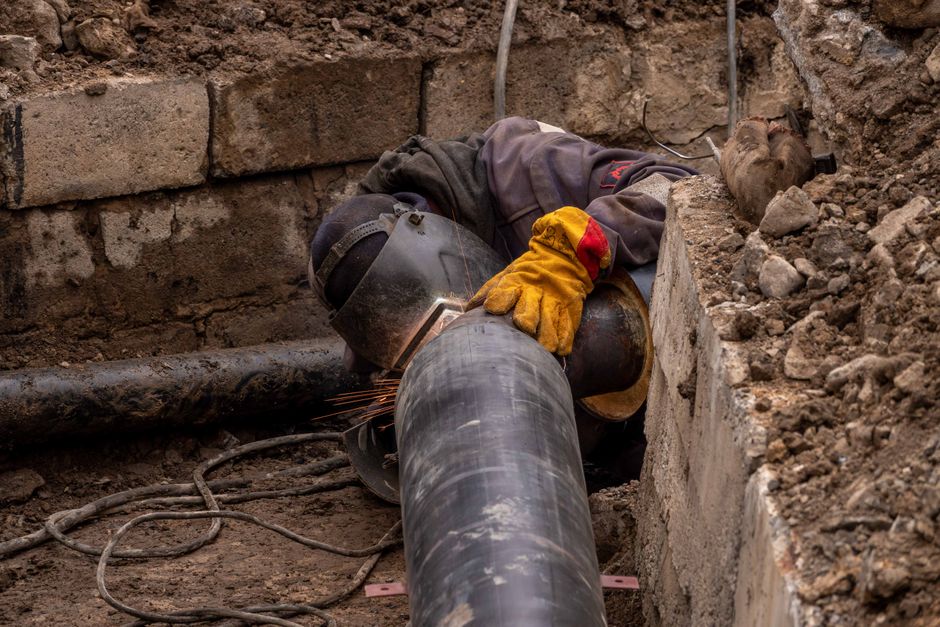
Traditional drain repairs typically involve digging up the damaged section of the pipe to access it directly. This excavation allows for either patching small defects or replacing whole sections of the drain. The process often requires heavy machinery and a team of skilled drainage engineers, especially for deeper or more complex drainage networks.
In Buckinghamshire, where many properties have older infrastructure, traditional excavation is sometimes necessary when pipes are severely damaged or collapsed. However, the disruption to gardens, driveways, and landscaping can be significant, particularly in established areas like Great Kingshill or Penn where mature gardens are common.
While this method provides direct access and visibility for a thorough repair, it also involves a longer time on site and higher potential for mess and inconvenience. Homeowners should prepare for restoration work following the drainage repairs.
Understanding No-Dig Drain Relining
No-dig drain relining is a trenchless technology that repairs drains without excavation. Instead, a flexible liner coated with resin is inserted into the existing pipe. When the liner hardens, it forms a new, jointless pipe within the old one, effectively sealing cracks, leaks, and minor collapses.
This method is increasingly popular in Buckinghamshire towns like Bourne End and Wooburn where minimizing disruption is a priority. Because relining works from inside the pipe, there’s little impact on gardens, paths, and walls.
Relining is particularly effective for pipes that are structurally sound but suffer from corrosion, tree root ingress, or small cracks. However, it’s less suitable for drains with severe distortion or complete collapses where full replacement may be required.
Advantages of Traditional Drain Repair
One key advantage of traditional drain repair is the ability to address significant damage. For drains that have collapsed or suffer from extensive structural failure, excavation allows engineers to fully remove and replace defective sections.
Additionally, once the damaged section is removed, the quality of repair is visible and verifiable. This transparency can provide peace of mind to homeowners in areas like Handy Cross or Loudwater where property values are tied to solid infrastructure.
Traditional repairs also allow for upgrading pipe materials during replacement, which can be beneficial to future-proof drainage systems that may be decades old, common in Buckinghamshire’s older properties.
Advantages of Drain Relining
Drain relining offers a much faster and less disruptive solution than excavation repairs. Because no digging is required, there’s minimal disturbance to the property and gardens, which is ideal for homeowners in tight-knit communities such as Tylers Green or Hazlemere.
The method is also environmentally friendly, reducing waste and avoiding the need for new pipe materials. It can be completed within a day or two, causing less inconvenience to families in busy towns like High Wycombe or Marlow.
Moreover, once relined, pipes become more resistant to root ingress and leaks because the new liner seals joints and cracks. This can extend the life of the existing drainage system considerably.
When to Choose Traditional Excavation Repair
If your drain has completely collapsed or is severely misaligned, traditional excavation repair is often the best option. Such damage usually can’t be corrected by relining and requires direct access to remove and replace the pipe section.
Properties in areas with older drainage infrastructure, like Penn or Bledlow Ridge, may face issues of pipe degradation that need full replacement. Also, if the problem extends over a large section of pipe, excavation allows for a more comprehensive solution.
Homeowners should also consider the extent of surface disruption and the time required to complete excavation work, especially if the drain runs beneath patios or driveways common in Buckinghamshire homes.
When Drain Relining Is the Better Choice
Drain relining is well-suited for smaller defects such as cracks, minor leaks, and root intrusions common in many Buckinghamshire properties. If your drain is generally intact but suffering from localized damage, relining can be a quick and effective option.
This method is particularly advantageous in areas where digging would cause significant inconvenience or damage to gardens and landscaping, such as in Handy Cross or Holmer Green. If you’re keen to avoid a lengthy repair process, relining is usually faster and neater.
Relining also suits drains that need a preventive solution to stop worsening damage or future root ingress, making it a proactive choice for maintaining drainage in growing residential areas.
Local Considerations in High Wycombe and Buckinghamshire
Buckinghamshire’s mixed urban and rural landscape means drainage issues vary widely—from tree root invasions in wooded areas near Hughenden Valley, to ageing pipes in historic High Wycombe homes. This variety affects which repair option works best.
In more rural or leafy settings like Walters Ash or Sands, property owners often prioritise preserving garden aesthetics, making drain relining an attractive option to limit surface disruption. Meanwhile, urban properties in Wycombe Marsh or Booker may have easier access for excavation but require swift repairs due to close neighbours.
Another consideration is the region’s clay soil, which can cause drains to shift or crack over time. Understanding how local ground conditions impact your drains can guide your choice between excavation and relining.
How to Decide Which Drain Repair Method to Use
Start by having a professional CCTV drain survey carried out. This inspection provides a clear picture of the drain’s condition and helps identify the severity and location of damage. In High Wycombe and nearby towns, experienced engineers can advise on whether relining or excavation is viable.
Consider factors like the extent of damage, access to the pipe, garden or driveway disruption, and the expected lifespan of the repair. Also, think about how quickly you need the work done and your budget, as excavation generally costs more and takes longer.
Engaging with a local drainage company familiar with Buckinghamshire’s specific drainage challenges ensures you get tailored advice. Transparency about the pros and cons of each method helps you make a confident choice for your home.
Need a drainage expert in High Wycombe?
Call 01494 257744